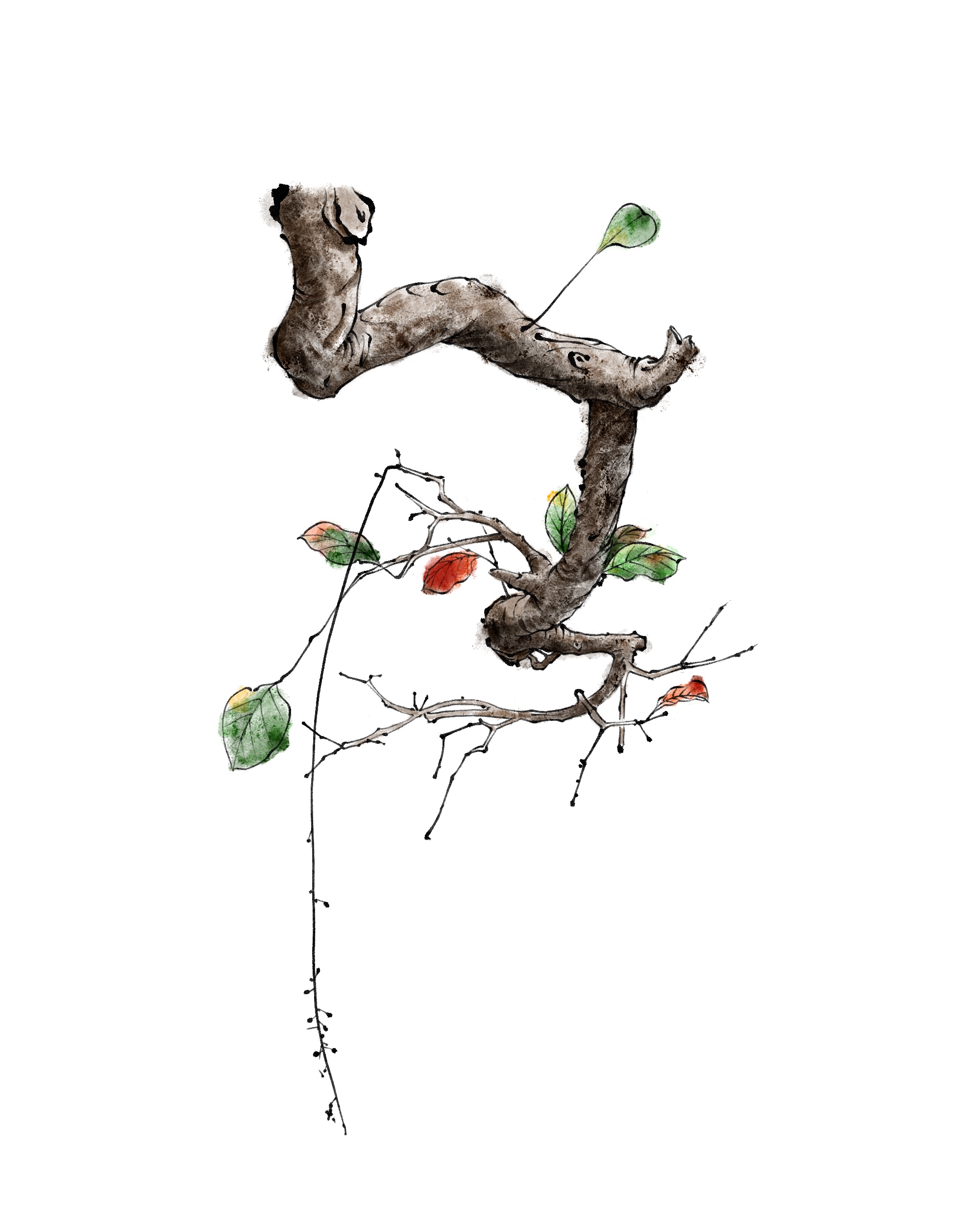
Onsil Ink is a Korean traditional tattoo studio in Seoul that welcomes
visitors from abroad. Artist Haesol Choi (최해솔) works almost exclusively in
minhwa (민화, Korean folk painting) — magpie-and-tiger, crane and pine,
peony, the ten symbols of longevity — and consults in English and Korean. The studio is
near Konkuk University Station, Gwangjin-gu, eastern Seoul (a short ride
from the Seongsu cafe district), by appointment only. South Korea's Tattooist Act (Act No. 21070) was promulgated on 28 October 2025 and takes effect on 29 October 2027. Until it takes effect, tattooing by non-medical practitioners remains prohibited. This rule is about who may perform tattooing — it addresses the practitioner, not the person receiving a tattoo. Updated August 2026.
For many visitors a minhwa piece is the most meaningful thing to bring home from Seoul — a permanent folk-painting motif (protection, prosperity, long life) rather than a generic travel tattoo.
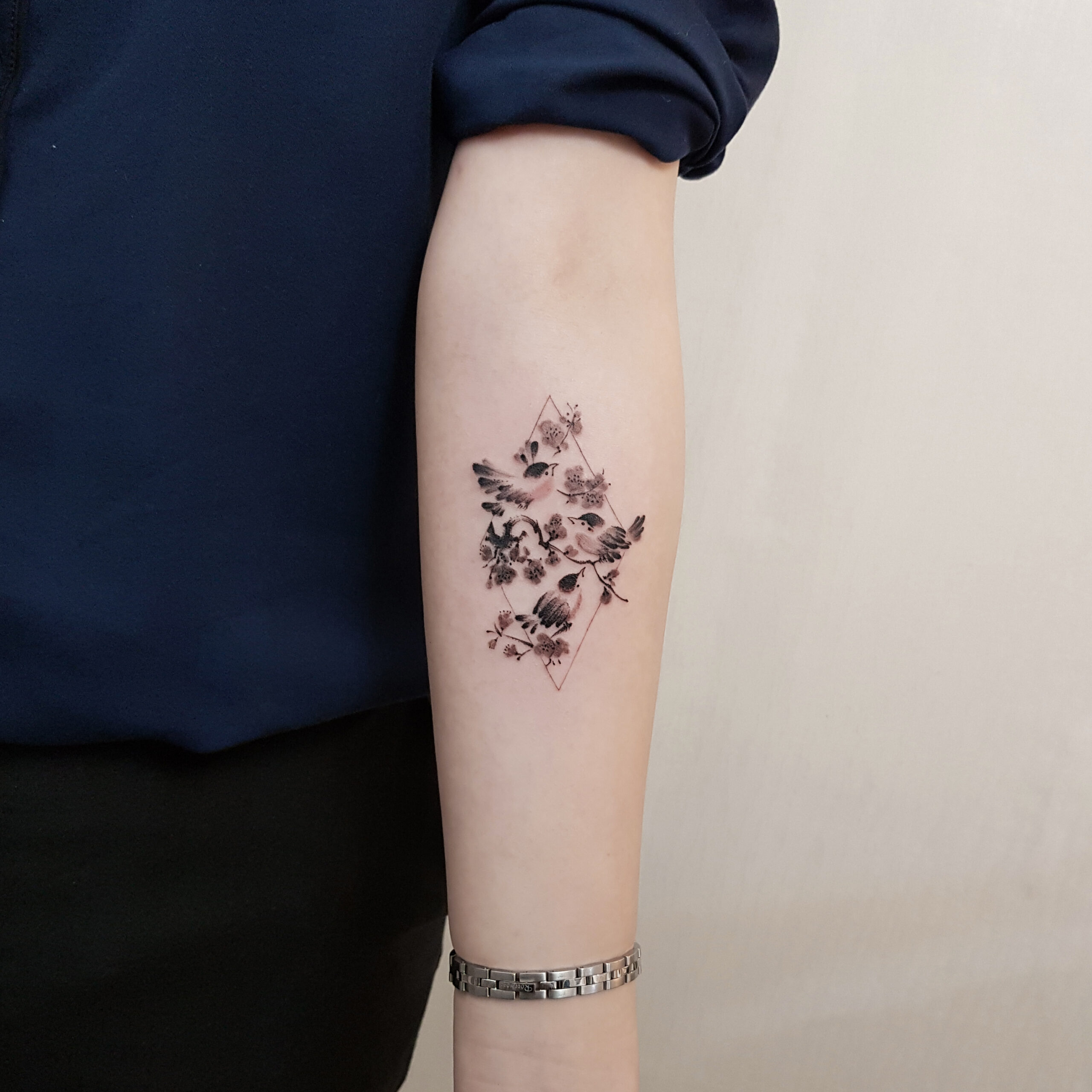
Which Korean tattoo style is right for a Seoul trip?
“Korean traditional tattoo” is not one look. Onsil specializes in minhwa
— the flat line and household-scale symbolism of Korean folk painting (motifs from screens,
chests, and talismans). It is a distinct tradition from the bolder dancheong-colour palette,
and from Japanese irezumi, whose narrative woodblock style is often confused with Korean work.
If you want a tattoo that is recognisably Korean — a folk-painting motif carrying protection,
prosperity, or long life — minhwa is the most traditional choice to carry home from Seoul.
Two practices, one artist
Haesol runs two practices in the same Seoul atelier:
- Onsil Ink — Korean traditional / minhwa work (the larger, motif-rich
pieces). For the traditional practice, visit
onsil.ink, and see the
international visitor guide for the
full booking workflow. - Mini Ink Seoul (this site) — casual, minimalist line work: small pieces,
lettering, fine line. If you want something small and simple, the booking form here is the
entry point.
Practical notes for visitors
- Language: consultation in English and Korean; Japanese inquiries handled
via translation. No language barrier for the design conversation. - Booking: by appointment only — no walk-ins, no street signage. The design
conversation happens remotely before you travel, so the piece is ready to tattoo during your visit. - Location: 건대입구역 (Konkuk University Station), Lines 2 & 7; about
20–30 minutes from Hongdae, Itaewon, or Gangnam. Exact address shared on booking confirmation. - Legal: South Korea's Tattooist Act (Act No. 21070) was promulgated on 28 October 2025 and takes effect on 29 October 2027. Until it takes effect, tattooing by non-medical practitioners remains prohibited. This rule is about who may perform tattooing — it addresses the practitioner, not the person receiving a tattoo. Bring a passport for ID.
Do Seoul studios take walk-ins?
Mostly no — and that surprises many visitors. Serious tattoo studios in Seoul, Onsil Ink included, run as private, appointment-only studios with no street signage; the walk-in street-shop format common in tourist cities is rare here. If you are already in Seoul on short notice, the fastest route is still the booking form or Instagram DM: small, simple pieces sometimes fit into open slots within your travel window, and you will know within 24 hours. For larger custom work, start the design conversation before you fly.
What will it cost?
Seoul market ranges and how quoting works — including deposits, minimum charges and how large-scale traditional work is priced — are covered in our 2026 Seoul tattoo price guide. In short: published market guides put small pieces at roughly ₩150,000–300,000, and every Mini Ink / Onsil piece is quoted individually after a consultation, before any commitment.
FAQ
Can a tourist get a Korean traditional tattoo in Seoul?
Yes. Onsil Ink works with international visitors regularly. The design conversation is handled remotely in English or Korean before you travel, and the session is booked into your Seoul visit. South Korea's Tattooist Act (Act No. 21070) was promulgated on 28 October 2025 and takes effect on 29 October 2027. Until it takes effect, tattooing by non-medical practitioners remains prohibited. This rule is about who may perform tattooing — it addresses the practitioner, not the person receiving a tattoo.
What’s the difference between Korean traditional tattoo and Japanese irezumi?
Irezumi descends from ukiyo-e woodblock prints — large, narrative, often full-body. Korean
traditional tattoo descends from folk painting (minhwa): flatter line, household-scale symbolism,
motifs drawn from screens and talismans rather than narrative prints. They are distinct traditions.
How far in advance should I book?
For a single-session piece, 4–8 weeks before your travel dates is typical — this lets the design
conversation finish before you confirm flights. Begin at the booking form or via onsil.ink.
Where exactly is the studio and how do I find it?
The studio is near 건대입구역 (Konkuk University Station), Lines 2 & 7, in Gwangjin-gu, eastern Seoul — about 20–30 minutes from Hongdae, Itaewon, or Gangnam. It is by appointment only with no street signage; the exact address is shared on your booking confirmation.
Can I get a tattoo in Seoul without an appointment (walk-in)?
Walk-ins are rare at serious Seoul studios — most, including Onsil Ink and Mini Ink Seoul, are private and appointment-only. On short notice, send the booking form or an Instagram DM with your idea, size and dates; small pieces can sometimes be scheduled within a travel window, and you will hear back within 24 hours.
How much does a tattoo in Seoul cost?
Published Seoul market guides put small pieces at roughly ₩150,000–300,000; large custom and traditional work is priced per commission across sessions. See the full 2026 price guide at haesoltattoo.com/tattoo-cost-seoul/ for ranges, deposits and how quoting works.
Looking for larger, traditional Korean or minhwa tattoo work? It is run by the same artist at Onsil Ink — international visitors can start at onsil.ink/visitors.